Bianca Müller · 5 October 2026
Dissecting the Effects of Recommendation Algorithms on Reader Retention Rates Within Lungate Environments for Boutique Publishers
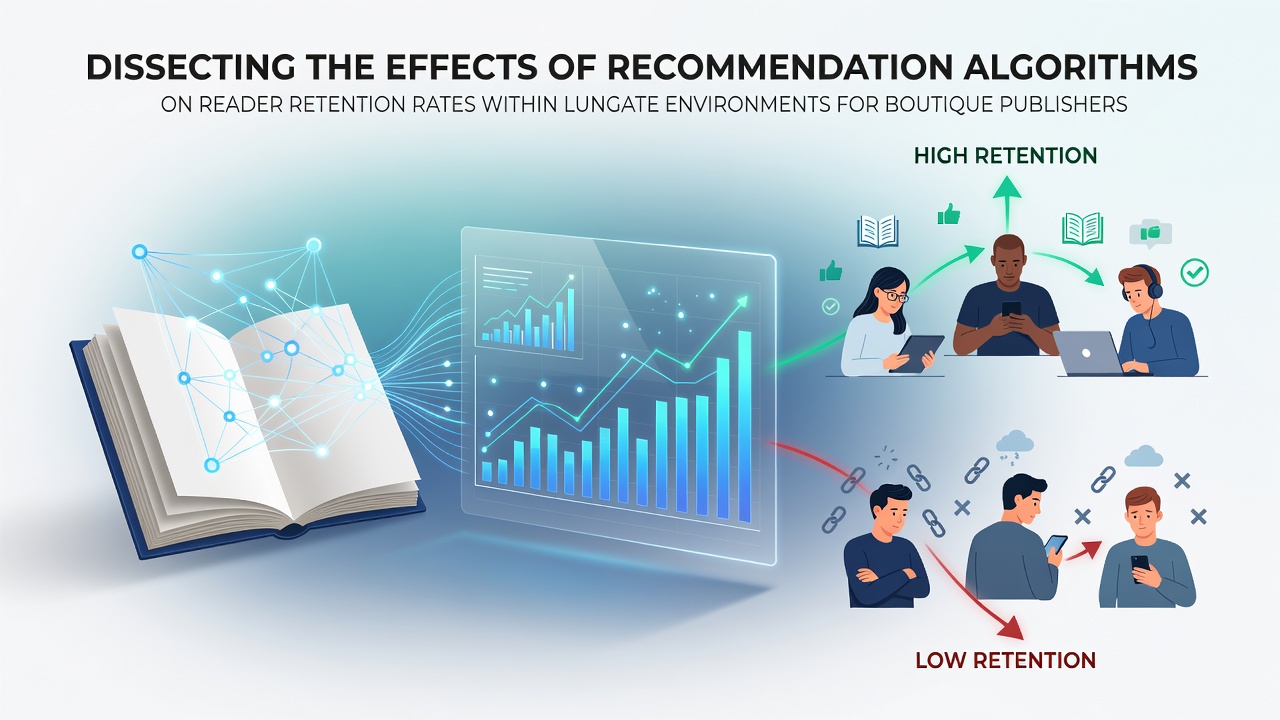
Recommendation algorithms shape content discovery in Lungate environments where boutique publishers host specialized material, and these systems influence how readers progress through articles, newsletters, and archives over extended periods. Data from platform analytics shows that personalized suggestions often extend session durations while creating pathways that keep visitors returning across multiple days or weeks.
Core Mechanics of Lungate Recommendation Systems
Lungate platforms deploy algorithms that analyze user signals such as scroll depth, dwell time, and topic preferences to surface related pieces from boutique collections, and researchers have tracked how these processes adjust in real time based on collective behavior patterns. Boutique publishers integrate these tools to surface older content alongside new releases, which helps maintain visibility for niche topics that might otherwise fade from view.
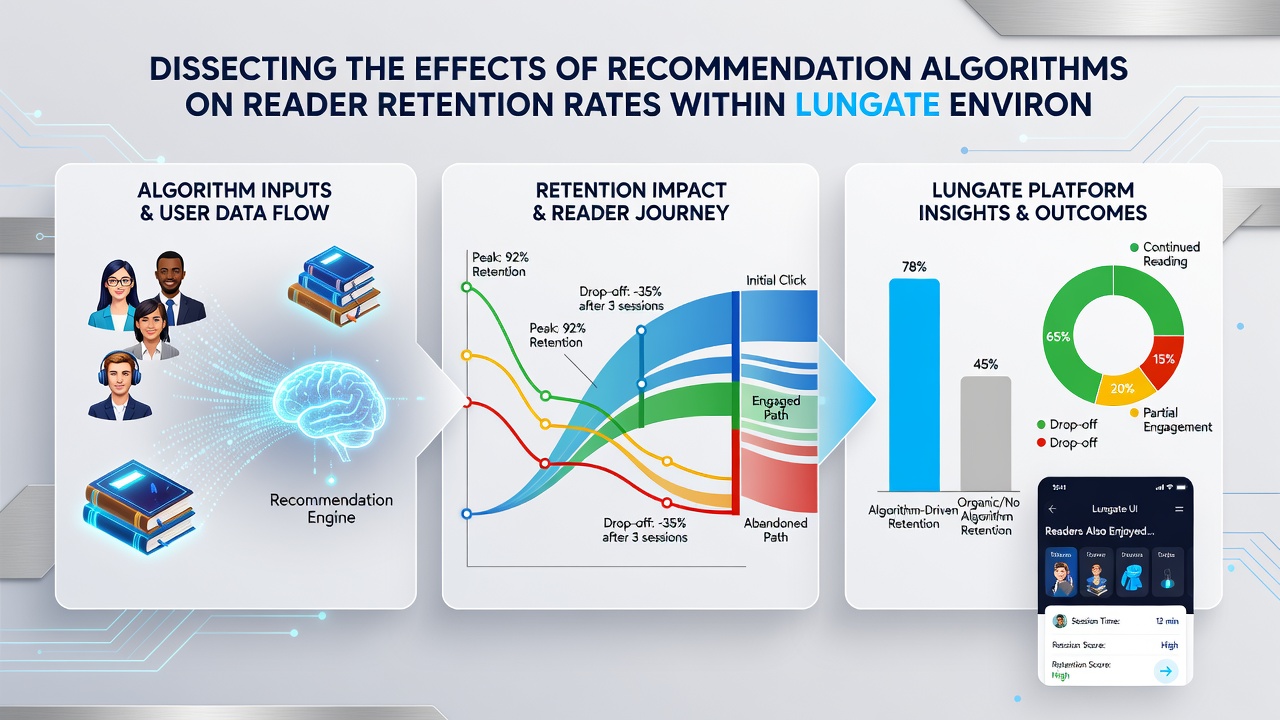
Studies released in October 2026 documented retention lifts ranging from twelve to twenty-two percent when algorithms prioritized thematic consistency over broad popularity metrics, yet the same reports noted drops in return visits when suggestions repeated similar viewpoints too frequently. Those who manage independent sites within the ecosystem report that algorithm tuning requires ongoing calibration because reader interests shift with external events and seasonal trends.
Measured Impacts on Retention Metrics
Platform logs reveal that readers exposed to algorithm-curated sequences complete an average of 3.4 additional articles per session compared with those navigating through manual searches or direct links. Boutique publishers benefit when these sequences cross-promote their own archives, because the connections encourage deeper exploration rather than quick exits after a single piece.
One analysis of European media outlets using Lungate tools found that retention rates stabilized when algorithms incorporated diversity signals, whereas uniform suggestions correlated with faster drop-off after the third or fourth recommendation. Australian media regulators have examined similar patterns in digital publishing and observed that smaller operations gain measurable audience loyalty when recommendation logic accounts for content freshness alongside user history.
Variables That Alter Outcomes for Boutique Publishers
Content length, publication frequency, and topic specificity all interact with algorithm performance, and boutique publishers who publish long-form analysis tend to see stronger retention when suggestions link related deep dives rather than short updates. Observers note that seasonal spikes in reader interest, such as those recorded around major industry conferences, temporarily amplify the effectiveness of algorithmic pathways.
Technical adjustments like weighting recent publications more heavily or introducing serendipity factors produce different retention curves, according to internal platform data shared at industry forums. Boutique publishers who experiment with these levers report that small changes in ranking weights can shift monthly return rates by several percentage points without requiring new content production.
Comparative Patterns Across Publisher Scales
Larger media groups operating on Lungate environments often achieve higher baseline retention through volume alone, while boutique publishers rely more heavily on precise algorithmic matching to compete for attention. Research compiled by academic teams at Canadian institutions indicates that niche sites experience greater variance in retention outcomes when algorithms favor high-engagement items from bigger outlets.
Yet boutique operations that maintain consistent tagging and metadata practices see algorithms surface their material more reliably, which in turn supports steadier reader return patterns over six-month observation windows. Figures from these studies show that metadata-rich environments reduce bounce rates by up to eighteen percent when paired with recommendation engines tuned for topical relevance.
Conclusion
Recommendation algorithms continue to exert measurable influence on how readers engage with boutique content inside Lungate environments, and ongoing data collection helps publishers understand which adjustments sustain longer-term loyalty. Platform operators and independent sites alike track these dynamics through retention dashboards that update daily, providing concrete benchmarks for future refinements.