
Bianca Müller · 7 September 2026
Navigating Algorithm Updates Through Alternative Discovery Channels for Niche Sites
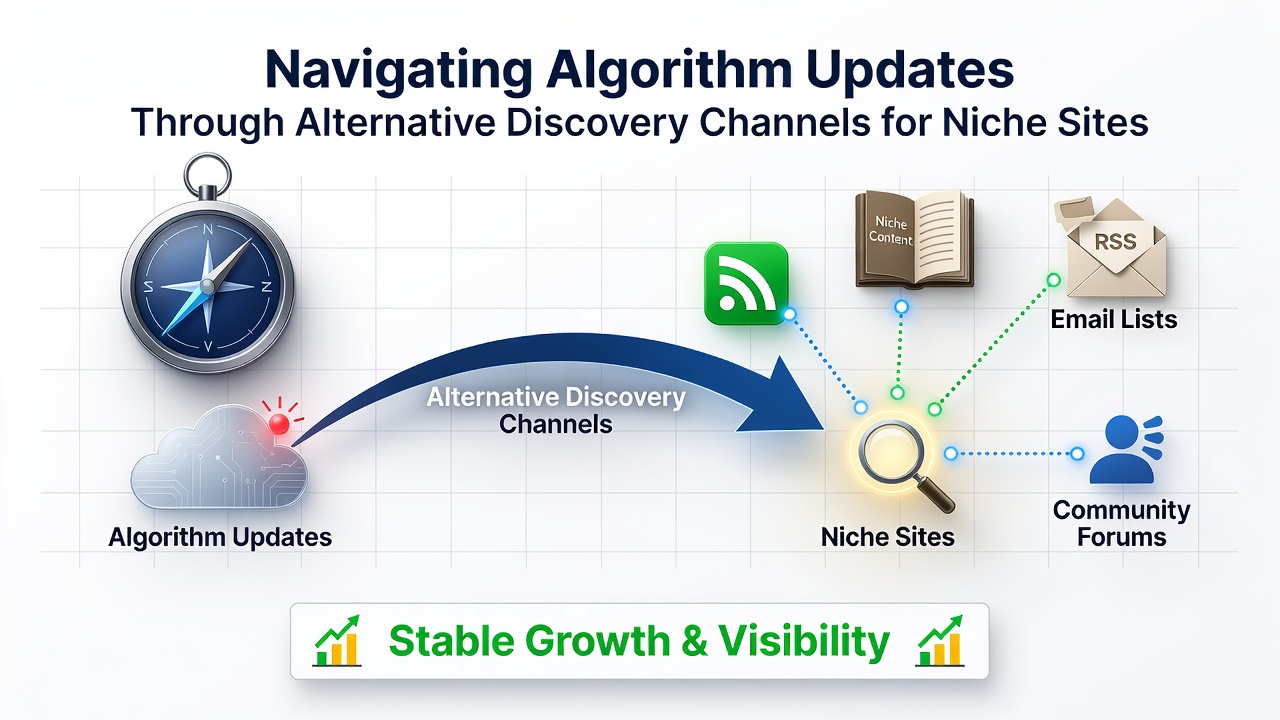
Search engine algorithm adjustments frequently disrupt traffic patterns for niche sites that depend on organic visibility, yet operators have responded by developing parallel discovery pathways through communities, newsletters, and curated content networks. These channels operate independently of ranking fluctuations, which allows consistent audience reach even when core updates alter result pages. Data from multiple monitoring tools shows that sites maintaining diversified discovery methods experienced smaller traffic drops during recent volatility periods compared with those focused solely on search.
Patterns in Algorithm Behavior and Site Impact
Core updates roll out several times each year and often target content quality signals, user engagement metrics, and site structure elements, which creates immediate ranking shifts for specialized publications that cover narrow topics. Niche operators track these changes through console data and third-party analytics, then adjust indexing priorities while simultaneously strengthening off-search pathways. Research from the European Commission on digital platform dynamics indicates that smaller content producers benefit when they reduce single-channel reliance because algorithm-driven distribution favors broad-appeal material over specialized material.
Observers note that September 2026 brought another round of adjustments focused on helpful content criteria, and aggregate figures revealed temporary visibility losses for sites in hobby, technical, and regional interest categories. Those who had already built email subscriber bases and forum participation saw steadier visitor numbers throughout the transition window.
Building Email and Newsletter Networks
Direct subscriber lists provide one reliable route because messages reach audiences regardless of search position changes, and many niche publishers report higher conversion rates from these contacts than from casual search visitors. Operators collect addresses through content upgrades, community sign-ups, and partnership swaps, then maintain engagement with regular issues that include original analysis and resource roundups. Figures from industry tracking services reveal that newsletters in specialized verticals grew steadily between 2024 and 2026, driven by readers seeking consistent updates without algorithmic interference.
Community Platforms and Forum Participation
Active involvement in subject-specific forums, Discord servers, and moderated discussion boards creates discovery opportunities that function through word-of-mouth and shared links rather than search rankings. Niche site teams contribute expert answers and host occasional AMAs, which establishes authority and generates referral traffic that persists across algorithm cycles. A report published by the Australian Competition and Consumer Commission on digital content distribution highlights how community-driven sharing often bypasses traditional gatekeepers and delivers audiences that demonstrate stronger loyalty metrics.
Content Syndication and Partnership Channels
Syndication arrangements with complementary sites and industry newsletters extend reach without depending on search engine favor, and many operators exchange guest posts or co-branded resources that introduce their work to new but relevant readers. These partnerships rely on mutual audience alignment rather than paid promotion, which keeps costs low while expanding visibility. Academic analyses from university digital media departments have documented how such reciprocal distribution networks stabilize traffic for specialized publishers during periods of ranking instability.
RSS Feeds and Aggregator Relationships
RSS distribution and inclusion in topic-focused aggregators deliver content directly to subscribed readers and feed-based platforms, which creates another layer of discovery insulated from ranking volatility. Niche publishers optimize feed formatting and submit to established aggregators that serve particular interest groups, ensuring their updates appear in reader dashboards and mobile apps. This method maintains audience contact even when individual posts experience temporary de-indexing or ranking demotion after an update.
Measuring Success Across Channels
Operators track referral sources, subscriber growth rates, and engagement depth from non-search channels using dedicated analytics setups that separate these metrics from organic search data. Consistent monitoring reveals which alternative pathways deliver the most stable traffic and highest retention, allowing resource allocation toward the strongest options. Cross-channel dashboards help identify emerging opportunities such as new community platforms or aggregator services before they become saturated.
Conclusion
Niche sites that integrate multiple discovery channels alongside search visibility maintain more consistent audience access during algorithm transitions, and the approaches outlined here continue to evolve as new platforms and reader habits emerge. Data from regulatory and academic sources supports the observation that diversified distribution reduces exposure to single-point disruptions while preserving opportunities for targeted reach. Continued experimentation with these methods allows operators to adapt as the broader digital landscape shifts.