Bianca Müller · 21 September 2026
Patterns in Reader Behavior Across Integrated Content Recommendation Engines
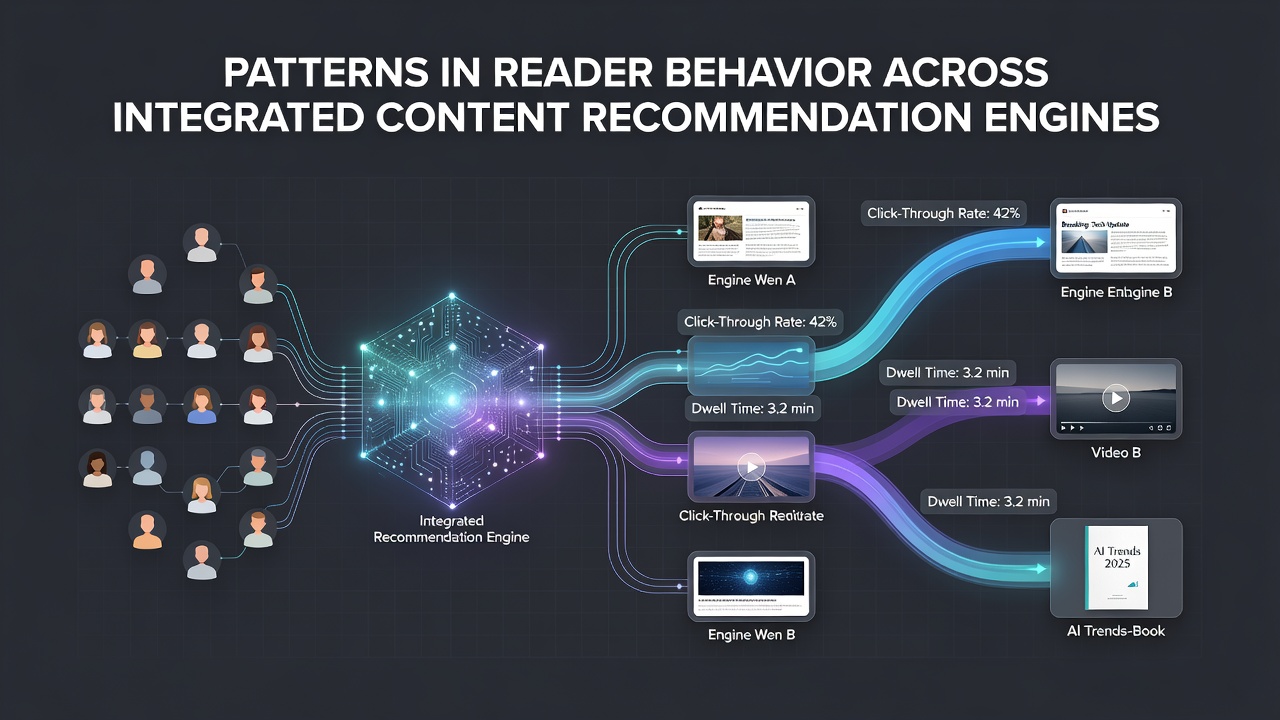
Integrated content recommendation engines combine data from multiple sources to suggest articles, videos, and other materials to readers across websites and applications, and researchers have tracked consistent patterns in how audiences respond to these suggestions over time. Data from various studies show that readers tend to engage more deeply when recommendations draw from both their immediate browsing history and broader platform trends, which creates a layered approach to content discovery that influences click rates and session durations.
Core Behavioral Patterns in Recommendation Interactions
Readers often exhibit a preference for content that aligns with recent activity while still introducing some novelty, and this balance appears across platforms that integrate recommendations from news sites, social feeds, and search results. Studies indicate that initial clicks on recommended items happen within the first few seconds of page load in many cases, yet sustained reading time varies depending on how closely the suggested piece matches the original topic. Observers note that users frequently return to the main feed after exploring one or two recommendations, which forms a loop that recommendation algorithms then use to refine future suggestions.
Cross-platform integration plays a role here because readers who move between a mobile app and a desktop site show different selection habits compared to those who stay on one device. Evidence from tracking data reveals higher completion rates for longer articles when recommendations appear in a sidebar that pulls from integrated sources rather than isolated site data alone.
Influence of Personalization on Engagement Metrics
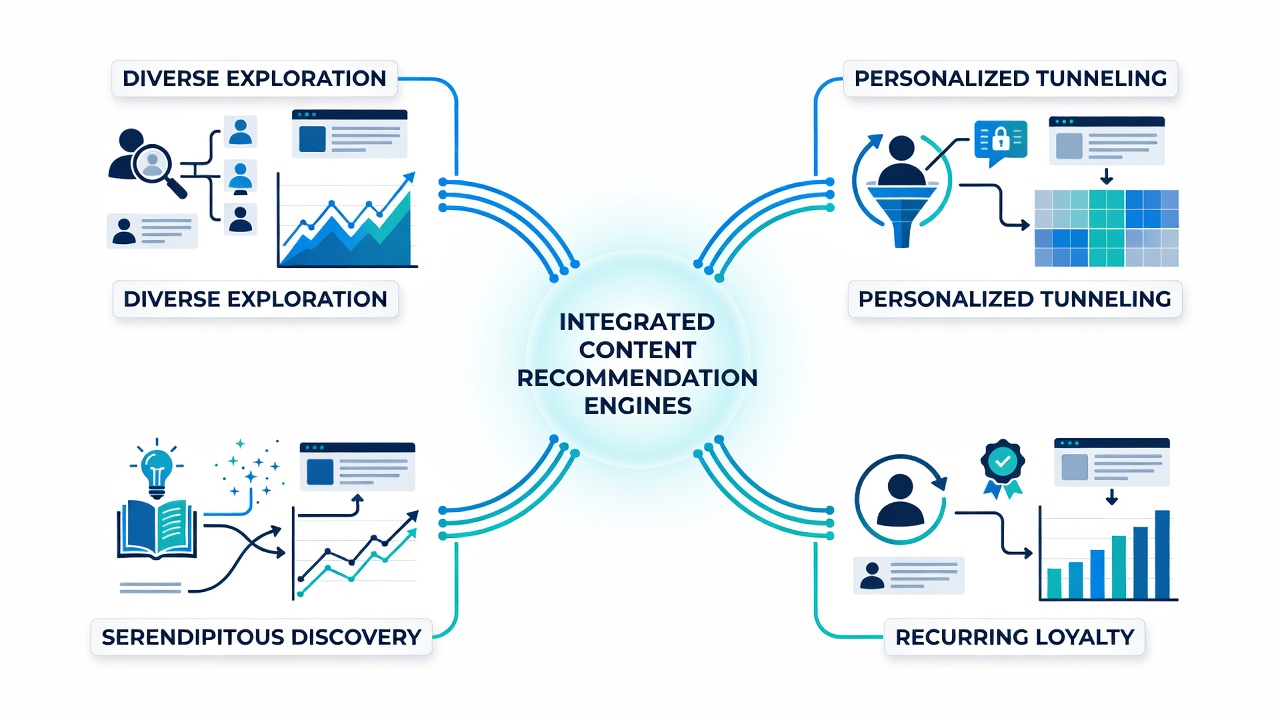
Personalized recommendations that incorporate user location, time of day, and past interactions lead to measurable shifts in behavior, according to reports compiled by research institutions. In September 2026, aggregated figures from multiple digital publishers highlighted that tailored suggestions increased average time on page by noticeable margins in categories such as technology and health news, while general interest topics saw steadier but less dramatic gains. Those who study these systems point out that over-personalization can reduce exploration, as readers sometimes stick to familiar themes instead of venturing into adjacent subjects that integrated engines might otherwise surface.
But here's the thing: integration across engines allows for smoother transitions between related pieces, and this setup encourages sequential reading sessions that span several articles. Data shows readers who follow recommendation chains tend to consume content from more diverse publishers than those who navigate through direct searches alone.
Device and Context Variations in Reader Responses
Patterns shift notably when readers access integrated recommendations on different devices, with mobile users demonstrating quicker decision-making and desktop users displaying longer deliberation periods before clicking. Research from academic sources in Australia and Canada has documented these differences through large-scale log analysis, revealing that evening hours correlate with higher engagement on lifestyle recommendations while morning sessions favor news updates. Integration helps bridge these contexts because engines can carry over preferences without requiring users to re-enter information.
What's interesting is how external factors like network speed or screen size interact with these patterns, since slower connections often result in fewer recommendation clicks overall. Those analyzing the data emphasize that integrated systems mitigate some of these issues by prioritizing lightweight content previews that load faster across varying conditions.
Recent Data Insights from 2026 Studies
Figures released in September 2026 by collaborative research efforts between European and North American institutions illustrate steady growth in multi-engine recommendation usage, with readers averaging more sessions per week when suggestions span several content providers. These reports link higher retention to engines that blend editorial curation with algorithmic outputs, and they note particular strength in regions where digital access continues to expand. One study revealed that integrated approaches reduced bounce rates on smaller independent sites by drawing readers from larger platforms through shared recommendation networks.
Turns out the geographic spread of these findings matters, because patterns observed in urban versus rural user groups differ in how quickly they adopt new suggestions. Analysts continue to examine how privacy regulations in various jurisdictions shape the depth of data available for integration, which in turn affects the precision of behavioral predictions.
Conclusion
Patterns in reader behavior across integrated content recommendation engines reflect a combination of immediate context, device usage, and personalization depth, and ongoing data collection from multiple regions continues to refine understanding of these dynamics. Evidence gathered through 2026 underscores the role of seamless integration in sustaining engagement while highlighting measurable differences based on timing and content type. Researchers maintain that these systems evolve alongside user habits, which supports further observation of how recommendations shape content consumption at scale.